Optimal Timing for Livestock Fencing
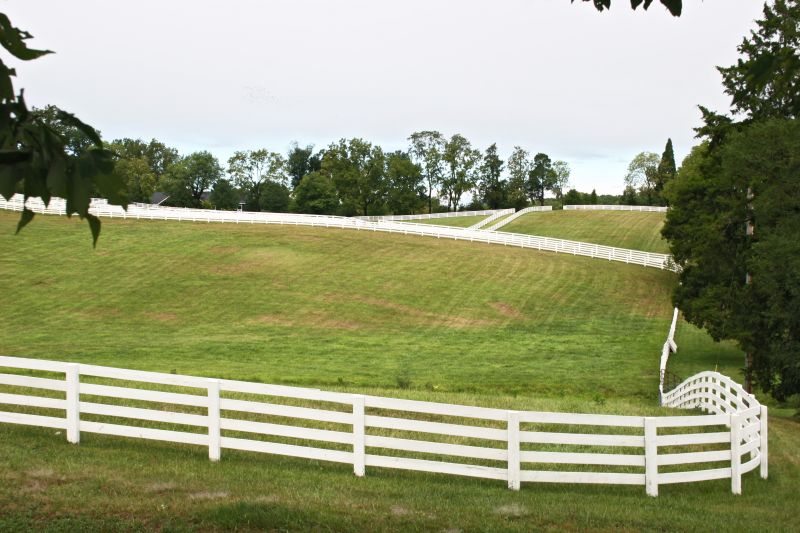
Ways to make Livestock Fencing Service work in tight or awkward layouts.
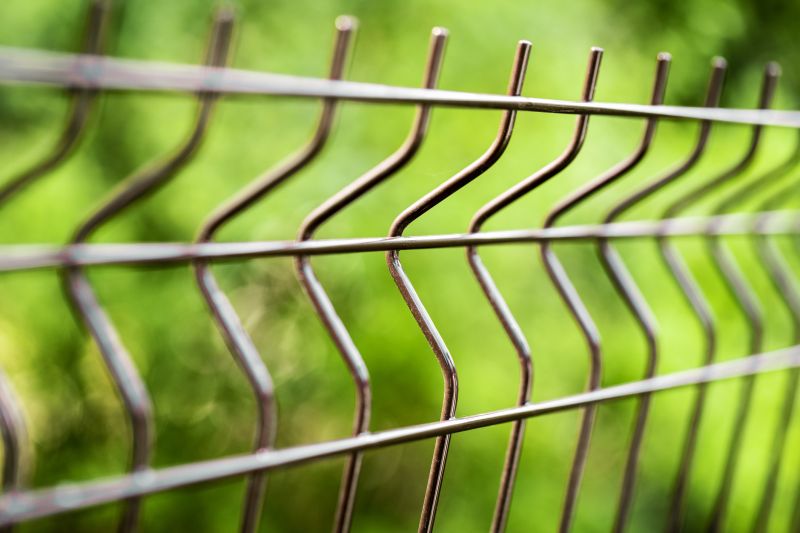
Popular materials for Livestock Fencing Service and why they hold up over time.
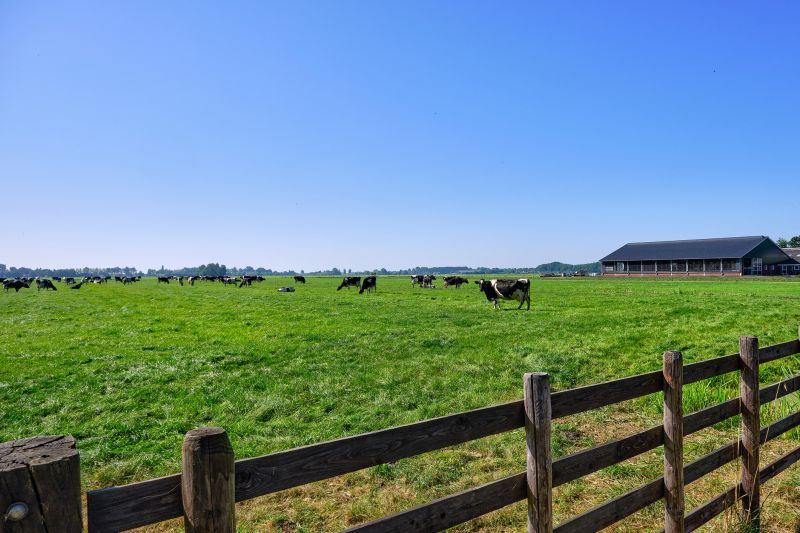
Simple add-ons that improve Livestock Fencing Service without blowing the budget.
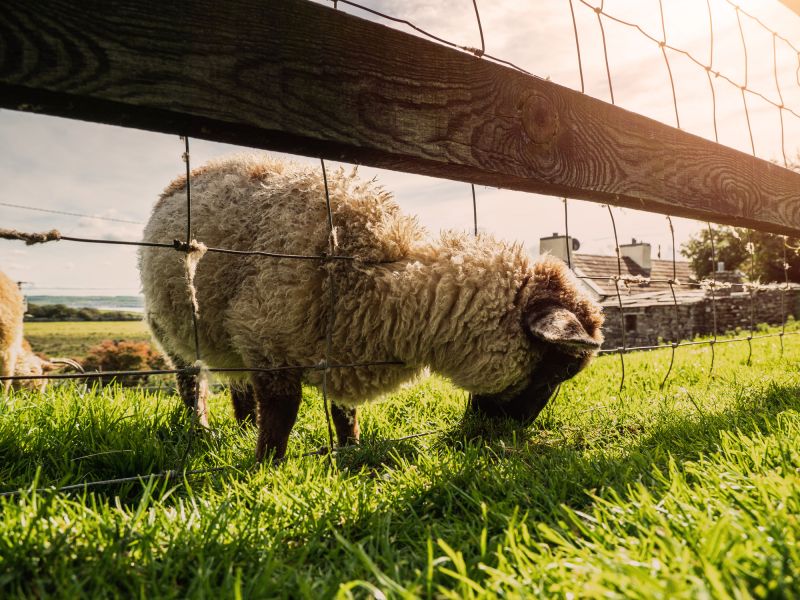
High-end options that actually feel worth it for Livestock Fencing Service.
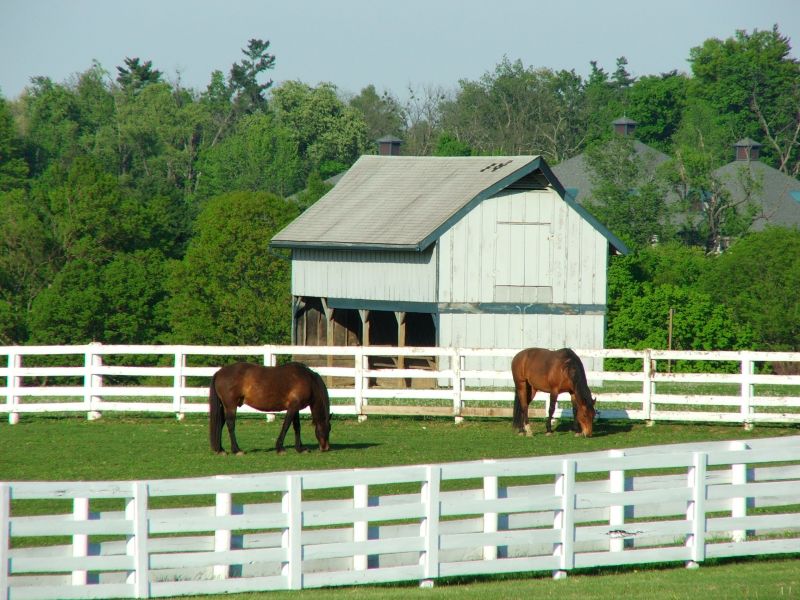
Finishes and colors that play nicely with Livestock Fencing Service.
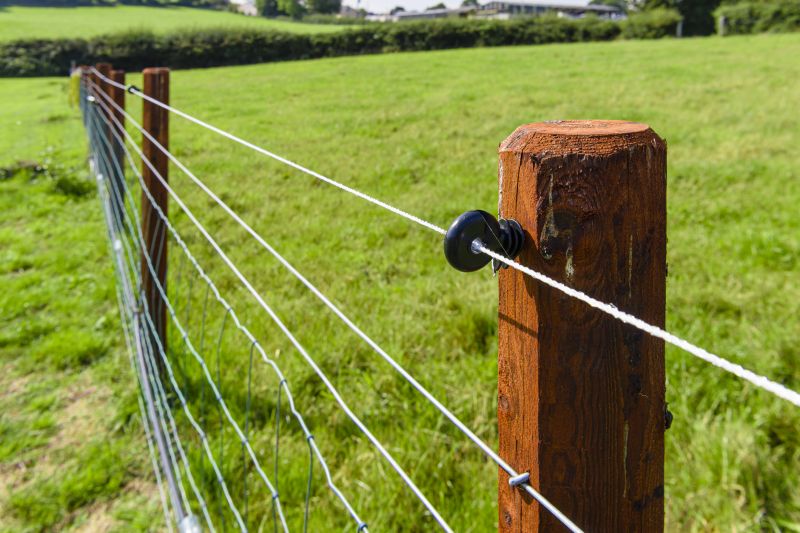
Little measurements that prevent headaches on Livestock Fencing Service day.
Livestock fencing is essential for maintaining the safety and containment of farm animals. Proper fencing ensures animals are protected from predators and prevent them from wandering off. The timing of fencing service can impact its durability and effectiveness, making it important to choose optimal periods for installation or maintenance.
Statistics indicate that fencing installed during milder weather conditions tends to last longer and requires fewer repairs. For example, fencing projects completed in spring or early fall often experience fewer weather-related issues such as warping or rusting. Additionally, installing fencing before animals are moved to new pastures ensures their safety during seasonal changes.
Spring offers moderate weather conditions ideal for fencing projects, reducing the risk of delays caused by extreme heat or cold.
This period allows for fencing to be completed before winter, providing animals with secure containment during colder months.
Fencing during winter or peak summer can be challenging due to weather constraints, leading to potential delays and compromised materials.
Scheduling fencing services ahead of grazing seasons ensures readiness when animals are moved.
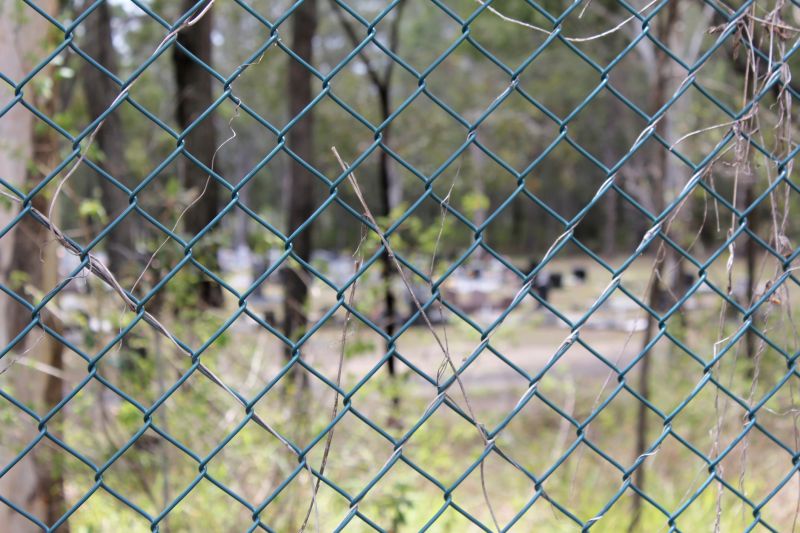
A 60-second routine that keeps Livestock Fencing Service looking new.
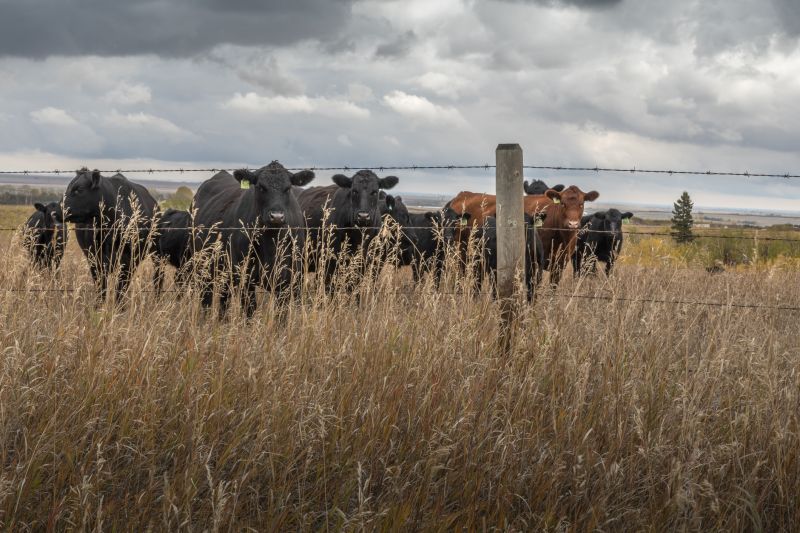
A frequent mistake in Livestock Fencing Service and how to dodge it.
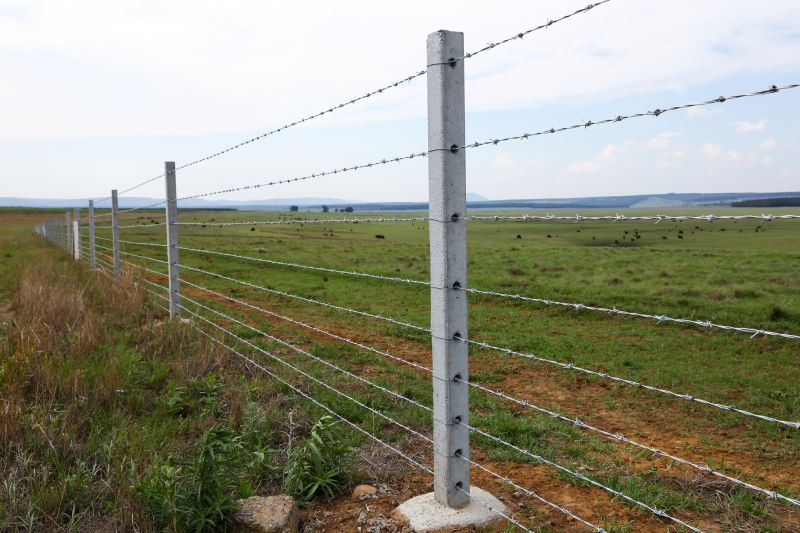
Small tweaks to make Livestock Fencing Service safer and easier to use.
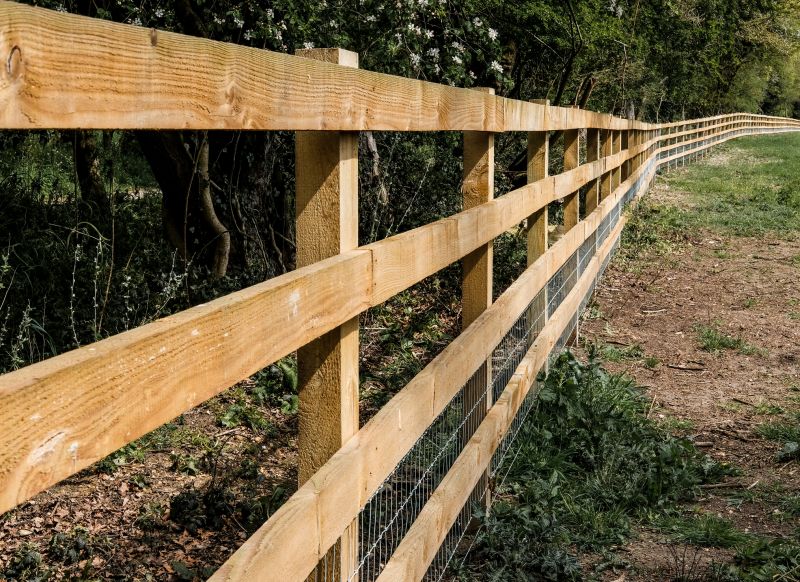
Lower-waste or water-saving choices for Livestock Fencing Service.
| Timing Consideration | Recommendation |
|---|---|
| Spring | Ideal for installation due to moderate weather and longer daylight hours. |
| Late Summer/Early Fall | Prepares fencing before winter, ensuring animal safety. |
| Winter | Less suitable due to cold and snow; delays and material issues may occur. |
| Summer | Avoid during peak heat to prevent material warping and worker fatigue. |
| Pre-Season Planning | Schedule ahead to ensure timely completion before grazing periods. |
| Post-Season Maintenance | Optimal for repairs and upgrades after animals are moved. |
| Weather Conditions | Install only during dry, mild weather to ensure quality. |
| Animal Movement Timing | Coordinate with livestock schedules for safety. |